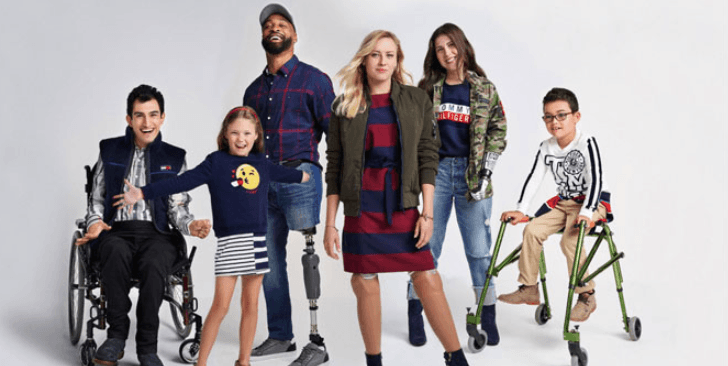
Adaptive fashion innovations reframes clothing as a versatile system for a wide spectrum of bodies and contexts. The field blends modular design, accessible closures, and sensory-friendly materials with data-driven prototyping. Industry players pursue transparency and iterative testing to align function with style, without sacrificing identity. As brands test constraints and outcomes, questions emerge about scalability, equity, and long-term impact, inviting further exploration into how design choices translate into everyday agency.
What Adaptive Fashion Really Means Today
What does “adaptive fashion” signify in today’s industry landscape? It denotes a shift from mere accessibility to design-for-all intent, where fit, function, and aesthetics converge.
The discourse centers on inclusive fit, sensory design, and user autonomy, rather than spectacle. It emphasizes modularity, adaptability, and context-aware garments, enabling varied bodies and moments to participate, without compromising style or personal expression.
Technologies Transforming Garments for Accessibility
Technologies transforming garments for accessibility are reshaping how adaptive apparel is designed, tested, and scaled across consumer, medical, and industrial markets. This evolution emphasizes adaptive fabrications and inclusive closures, enabling modular solutions, streamlined validation, and safer wearables. Analysts note rapid prototyping cycles, data-driven materials selection, and scalable manufacturing, translating insight into practical devices while preserving user autonomy and dignity within diverse contexts.
Case Studies: Brands Leading Inclusive Design
Across the apparel landscape, several brands have emerged as leaders in inclusive design by integrating user-centered research, modular adaptation, and accessible sourcing into core product strategies.
Case studies reveal adaptive fit innovations and sensory friendly fabrics, balancing fit autonomy with aesthetic continuity. These brands prioritize transparent supply chains, iterative testing, and cross-functional collaboration to scale inclusive outcomes beyond niche markets.
How to Evaluate and Adopt Adaptive Styles in Your Wardrobe
Adaptive styles can be evaluated through a structured lens that combines user insight, performance metrics, and practical wardrobe integration. The assessment emphasizes adaptive sizing and sensory accessibility, guiding choices beyond trend cycles. A detached, analytical stance examines fit, ease of use, and fabric behavior across contexts. Adoption prioritizes modularity, customization potential, and sustainable impact, enabling a confident, freedom-filled wardrobe evolution.
Frequently Asked Questions
How Can Adaptive Clothing Be Made Affordable for Low-Income Shoppers?
Affordable sourcing and bulk discounts can lower costs, enabling adaptive clothing for low-income shoppers; analysts note scalable production, reusable components, and partnerships with public programs. Industry curiosity drives evaluation of supply chains, subsidies, and inclusive, freedom-oriented procurement strategies.
What Metrics Exist to Measure True Inclusive Fit Across Bodies?
Instruments measure inclusive fit through metrics like fit quality, symmetry, and ease across diverse bodies, enabling cross-sectional comparisons; researchers emphasize body diversity, avatar-based testing, and consumer-reported comfort to refine scalable, adaptable design strategies fostering wardrobe freedom.
Do Adaptive Garments Require Specialized Care or Unique Washing Instructions?
Adaptive garments often require careful washing guidance and may feature care labeling tailored to fabrics; washing durability varies by material, yet most items follow standard gentle cycles, caution with hardware, and air drying to preserve fit and functionality.
See also: Electric Vehicle Technology
How Can Retailers Crowdsource Feedback From Disabled Customers Effectively?
Crowdsourcing accessibility proves effective when retailers invite disabled customers early, iterate with rapid feedback, and anonymize input. Theories of inclusive design validation hold true, revealing actionable insights for crowdsourcing accessibility and informing inclusive design validation across products and services.
Are There Certifications or Standards Guiding Adaptive Fashion Quality?
Certification standards exist, though variability persists across regions; quality benchmarks emphasize accessibility, durability, and fit. This analytical view notes industry-wide efforts toward harmonization, while curious stakeholders seek consistent criteria, transparent testing, and scalable processes enabling freer consumer choice.
Conclusion
Adaptive fashion today reflects a shift from mere accommodation to empowered expression. By embracing modular systems, inclusive closures, and data-informed materials, brands demonstrate that accessibility and style can coexist without compromise. The pace of prototyping and cross-functional collaboration accelerates practical, scalable solutions that respect dignity and identity. How will ongoing transparency and user-centered testing further refine fit, comfort, and aesthetics across diverse moments? The industry stands at a curious crossroads, poised to redefine everyday wear through thoughtful, adaptive design.