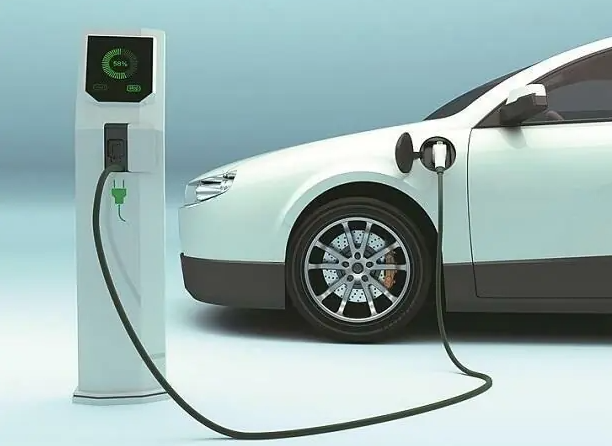
Electric vehicles are redefining mobility through lower emissions and improved energy efficiency. Advances in battery chemistry, modular packs, and smarter charging are reducing total ownership costs while expanding usable ranges. Policy incentives, grid modernization, and interoperable standards shape deployment at scale. Yet challenges remain in infrastructure, supply chains, and equity, requiring coordinated action across sectors. The trajectory is data-driven and incremental, inviting scrutiny of costs, performance, and resilience as adoption accelerates. The next steps warrant closer attention.
Why EVs Matter for the Future of Transportation
Electric vehicles (EVs) are pivotal to decarbonizing transportation and reducing urban air pollution, as they decouple vehicle performance from fossil fuel consumption.
The case for EVs rests on measurable efficiency gains, lifecycle emissions reductions, and scalable infrastructure.
Ev adoption accelerates through targeted policy instruments and climate finance, enabling cost parity, resilient grids, and rapid fleet turnover for freedom-minded, data-driven decision makers.
Today’s EV Landscape: Tech, Charging, and Costs
Today’s EV landscape is defined by rapid advances in battery chemistry, charging hardware, and total cost of ownership, with data guiding deployment and policy.
Analysts highlight EV battery chemistry breakthroughs, modular pack designs, and longer cycle life, translating into tangible TCO improvements.
Charging etiquette and standardized interfaces enable smoother adoption, while cost transparency fuels consumer freedom and scalable, prolific electrification across transport sectors.
Policy, Infrastructure, and Industry Investment Shaping Adoption
Data indicate policy incentives accelerate deployment, while grid modernization enables peak electrification.
Charging standards converge globally, reducing interoperability costs.
Supply chain resilience underpins supply continuity, supporting scalable investment and timely market response for freedom-loving stakeholders pursuing sustainable mobility.
The Road Ahead: Barriers, Innovations, and Getting Ready
The road ahead for electrified mobility hinges on identifying and overcoming practical barriers while accelerating targeted innovations that align with decarbonization timelines.
Stakeholder coordination, scalable charging ecosystems, and cost-benefit clarity frame progress.
Data-driven risk assessments guide investment in grid resilience and faster-transit technologies.
Policy signals and road tolls must reflect usage, while reliability metrics ensure consumer freedom through predictable, safe, and efficient electrified travel.
Frequently Asked Questions
How Do EVS Perform in Extreme Weather Conditions?
In extreme conditions, EVs experience reduced range, but efficiency remains competitive. EV efficiency declines in cold weather battery performance, while heat management protects performance. Fast charging reliability improves with thermal controls; advanced systems optimize energy use for sustained cold or heat.
What Happens to Used EV Batteries After Retirement?
Used EV batteries undergo regulated recycling, recovering metals and materials, while second life applications repurpose cells for stationary energy storage, grid support, and resilience. Data-driven projections indicate growing efficiency, safety standards, and flexible, freedom-oriented energy independence.
Are EVS Safer in Rollover or Crash Scenarios?
Answering safely: EVs generally perform better in crashes due to structural integrity and lower center of gravity, though rollover risk exists; ev safety headlines sometimes exaggerate battery risks, while battery safety myths persist despite data suggesting robust safety measures.
Can EVS Be Charged Reliably During Outages or Disasters?
EVs can be charged during outages with reliability measures; disaster charging strategies emphasize grid-tied resilience, off-grid backup, and mobile generators. The data-driven outlook highlights strategic charging windows, redundancy, and scalable systems to preserve mobility freedom during disruptions.
See also: Electric Vehicle Technology
Do EVS Reduce Total Lifecycle Emissions Compared to Hybrids?
EVs generally reduce lifecycle emissions versus hybrids when powered by decarbonized grids, though outcomes vary by EV manufacturing, battery sourcing, and vehicle weight; lifecycle emissions shrink as grid decarbonization accelerates and recycling improves, presenting a data-driven, forward-looking trend.
Conclusion
Electric vehicles are poised to redefine mobility with progressively cheaper, higher-energy-density batteries and smarter charging ecosystems. A striking statistic underscores momentum: global EV sales surpassed 6 million in 2023, signaling rapid market maturation and consumer acceptance. By harmonizing policy incentives, grid modernization, and interoperable standards, investment concentrates in scalable solutions—battery reuse, charging-as-a-service, and grid-integrated charging. The trajectory points to decarbonized transportation as a near-term, affordable reality, underpinned by data-driven decision making and resilient infrastructure.