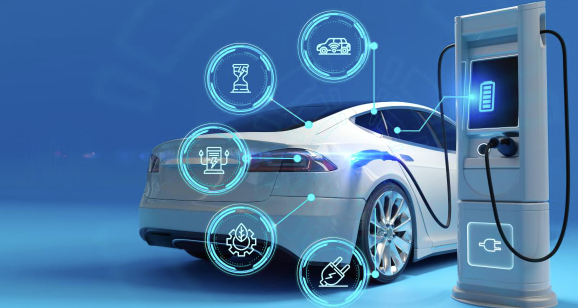
Electric Vehicle Technology integrates propulsion controls, power electronics, and energy storage to convert electrical energy into motion with precision. Battery chemistry, thermal management, and aging dynamics shape range and reliability. Powertrains and regenerative systems push efficiency, while charging strategies and grid interactions influence lifecycle costs. Diagnostic visibility and data logging support resilience under varying loads. The interplay between hardware constraints and policy-driven adoption creates a landscape where performance and sustainability compete for advancement.
What Makes EV Technology Tick
Electric vehicle (EV) technology centers on converting electrical energy into motion with high efficiency, reliability, and safety.
The system integrates propulsion controls, power electronics, and energy storage to optimize performance under varied loads.
Silent charging protocols minimize noise during grid interaction, while battery chemistry governs energy density, aging, and thermal behavior.
Precision instrumentation ensures diagnostic visibility and system resilience for freedom-minded users.
Battery Breakthroughs Driving Range and Endurance
Battery breakthroughs are reshaping driving range and endurance by increasing energy density, improving cycle life, and reducing system losses.
The discussion centers on incremental gains and material choices that influence gravimetric and volumetric capacities, fast charging compatibility, and thermal management.
New chemistries and solid state approaches promise higher safety margins, longer lifetimes, and scalable production, aligning with demand for freedom through efficiency.
Powertrains, Regeneration, and Efficiency Upgrades
Efficient powertrains, regenerative systems, and architecture-wide efficiency upgrades collectively determine the practical performance envelope of modern electric propulsion.
The analysis treats propulsion efficiency as an integrated metric, balancing motor cooling, thermal management, and regenerative control.
Data logging captures transient behavior, enabling diagnostic insight.
Systems-level optimization aligns inverter, gearbox, and motor dynamics, reducing losses while preserving reliability and freedom in performance envelope expansion.
From Charging to Policy: How EVs Fit Our World
From charging infrastructure to policy frameworks, the integration of electric vehicles (EVs) into daily life depends on a coherent system of energy supply, grid readiness, and regulatory alignment. This analysis examines EV economics, grid integration, and policy incentives impacting consumer adoption, charging etiquette, and recycling strategy, while addressing how policy incentives influence infrastructure investment, efficiency, lifecycle planning, and long-term market resilience.
Frequently Asked Questions
How Affordable Are Maintenance Costs for Typical EVS Long-Term?
Maintenance costs tend to be lower long term for typical EVs due to fewer moving parts, but battery degradation and replacement costs affect durability; overall long term durability appears favorable, though affordability hinges on battery health and service availability.
Can EVS Perform Well in Extreme Cold or Heat?
Answer: EVs perform variably in extreme cold and extreme heat; efficiency and range drop in cold, thermal management limits in heat. Maintenance affordability remains favorable; specialized insurance considerations arise, end of life batteries require careful handling, high voltage safety prioritized.
Do EVS Require Specialized Insurance Compared to Gasoline Cars?
EVs do not require inherently specialized insurance beyond standard auto coverage, though insurers may weigh battery value and repair costs; insurance considerations can vary. Practical planning includes battery disposal implications, residual value assessments, and transparent claims processes for freedom-minded owners.
See also: High Performance Internet Platform 912523119 Explained
What Happens to Used EV Batteries at End of Life?
What happens to used EV batteries at end of life? They enter end of life recycling streams or battery reuse programs, evaluating remaining capacity before mechanical processing or repurposing, ensuring safety, efficiency, and environmental responsibility through standardized, traceable practices.
Are There Safety Concerns Unique to High-Voltage Systems?
Yes, there are safety concerns unique to high-voltage systems. High voltage safety and battery handling practices mitigate risks from stored energy, arc flash, and thermal events, ensuring controlled access, proper PPE, isolation, and compliant maintenance procedures.
Conclusion
Electric vehicle technology hinges on integrated control, energy storage, and propulsion precision. Battery chemistry dictates energy density, aging, and thermal response; power electronics convert and modulate energy with high efficiency; powertrains and regenerative systems reclaim energy for sustained performance; thermal management maintains safety and endurance, while data logging informs maintenance and optimization. Charging protocols, grid interaction, and policy shape deployment. Ultimately, performance, reliability, and resilience emerge from disciplined engineering, rigorous diagnostics, and disciplined system integration.